
# income
12 posts in `income` tag

Rise of the Machine: How AI is Changing Tax Compliance in India
India’s tax system is being reshaped by AI and Big Data. Through Project Insight, the Income Tax Department now tracks bank data, investments, and lifestyle transactions in real time, flagging anomalies and ensuring compliance.
-
By Krishna


Supreme Court Protects CAs: Issuing Form 15CB Is Not Money Laundering
The Supreme Court of India has upheld that Chartered Accountants cannot be prosecuted for money laundering simply for issuing Form 15CB, as it is a statutory duty under the Income Tax Act. This ruling protects professionals from being unfairly targeted and clarifies the limited role of CAs in compliance matters.
-
By Krishna
EPF Interest Tax Rule 2025: What You Need to Know
The EPF interest taxation rule introduced in 2021 is now a permanent reality in 2025. Contributions above 2.5 lakh (5 lakh for government employees without employer contribution) attract tax on interest. EPFO maintains separate taxable and non-taxable accounts, with TDS applied on taxable interest. High earners must now plan carefully, track contributions, and explore other investment options to optimize returns.
-
By Krishna
TDS Rate Chart FY 2025-26 (AY 2026-27)
This blog provides a simplified overview of the latest Tax Deducted at Source (TDS) rates for FY 2025-26 (AY 2026-27). It highlights key changes in thresholds, presents a clear rate chart for residents, and offers practical compliance tips for taxpayers.
-
By Krishna

Did Your Large Cash Deposit Trigger an Income Tax Notice? Don't Panic!
Large cash deposits in bank accounts often trigger Income Tax notices in India. Banks are required to report high‑value transactions, and the ITD may ask for clarification if deposits exceed thresholds. With proper documentation like invoices, sale deeds, or gift deeds you can explain the source of funds and avoid heavy taxes or penalties. Notices are not accusations but part of routine scrutiny.
-
By Krishna
Intimation U/S 143(1): Your ITR is Processed Here's How to Respond
The Intimation under Section 143(1) is a routine message from the Income Tax Department after processing your ITR. It may confirm your return, show a refund, or raise a tax demand. This blog explains how to read the notice, respond correctly, and avoid penalties.
-
By Krishna
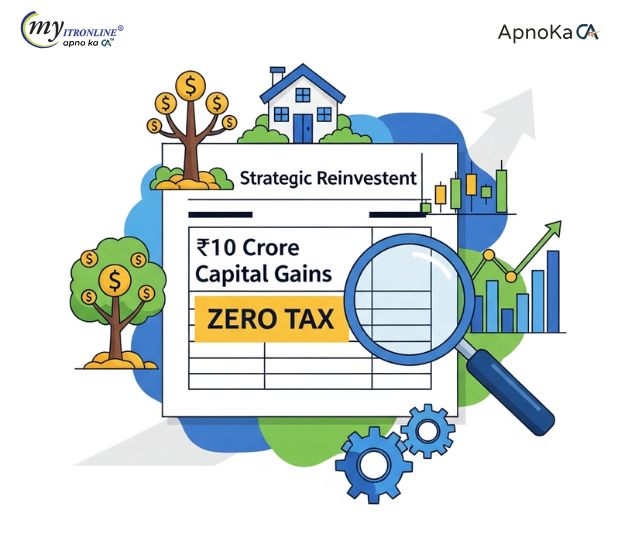
Pay Zero Tax on 10 Crore Capital Gains: Your Guide to Strategic Reinvestment
Selling a big asset like property, stocks, or gold can lead to huge capital gains and a big tax bill. But if you reinvest smartly, you can claim full exemption under Section 54 or 54F, up to ₹10 Crore. This blog explains how to do it, the deadlines, and the rules to follow.
-
By Krishna
Can You Claim Business Expenses During a No-Income Period?
This blog explains whether a business can claim deductions for expenses like rent, salaries, and utilities during a period of zero income. It focuses on Section 37(1) of the Income Tax Act and clarifies the difference between an idle business and one that never started. Includes a checklist to help taxpayers understand eligibility.
-
By Krishna
our Tax Refund: Can It Go to Your Friend’s or Family’s Account?
Can your income tax refund go to someone else’s bank account? The answer is no — unless you're a legal heir claiming a refund for a deceased taxpayer. This blog explains why the Income Tax Department requires PAN-linked bank accounts and how to avoid refund failures by validating your account properly.
-
By Krishna

Refund Returned by Bank? Here's How to Get Your Money Back
If your income tax refund shows “Refund Failed” or “Refund Returned by Bank,” it means your bank couldn’t accept the payment. This guide explains the common reasons for refund failure and walks you through the simple online steps to fix your bank details and request a refund reissue through the Income Tax portal.
-
By Krishna
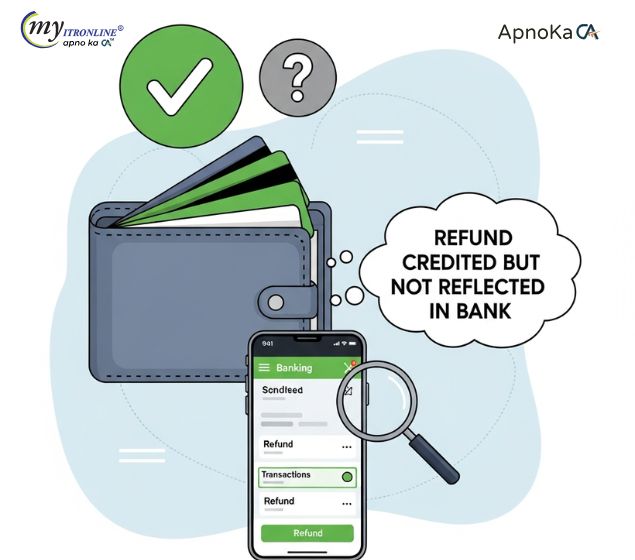
Refund Credited but Not Reflected in Bank What to Do?
Many taxpayers face the issue where their Income Tax refund status shows "Refund Credited" but the money doesn’t appear in their bank account. This guide explains why it happens, how to check your bank and portal details, and what steps to take to resolve it quickly.
-
By Krishna
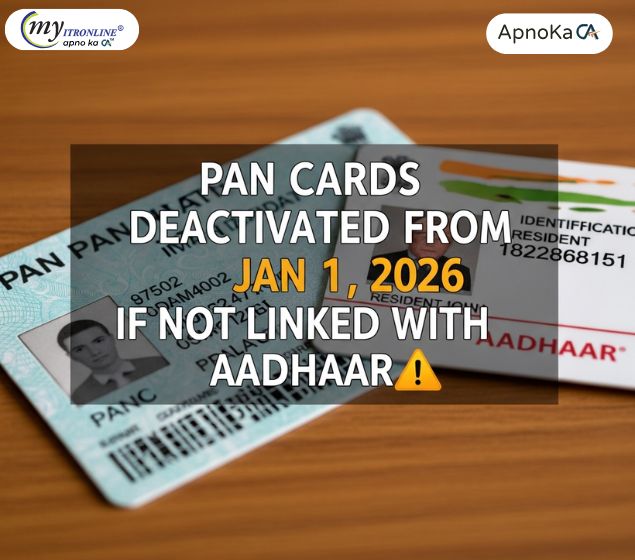
PAN Cards to Be Deactivated from January 1, 2026 If Not Linked with Aadhaar
The Indian government has set December 31, 2025, as the final deadline to link PAN cards with Aadhaar. Starting January 1, 2026, non-linked PANs will be deactivated, affecting tax filing, refunds, and financial services. Learn who needs to link, what happens if you don’t, and how to complete the process online or via SMS.
-
By Krishna