
# epf
12 posts in `epf` tag

EPFO Stops UAN Activation on Portal Here’s the New Way
EPFO has stopped UAN activation on its Member Sewa portal. The process is now available only through the UMANG App using Aadhaar-based Face Authentication. This ensures better security, fraud prevention, and smoother services.
-
By Krishna


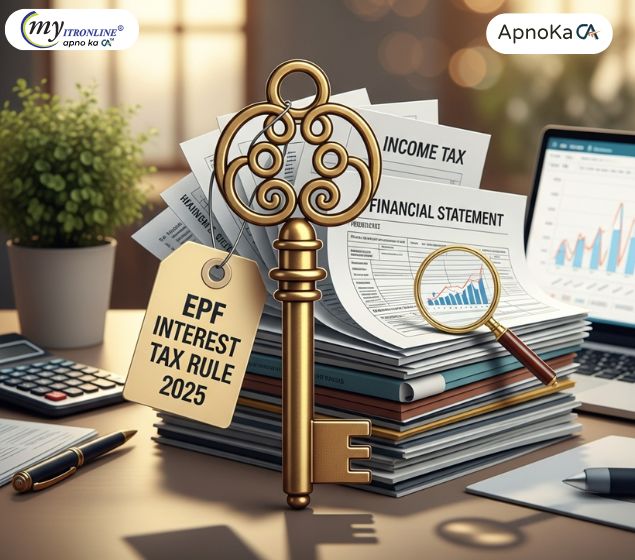
EPF Interest Tax Rule 2025: What You Need to Know
The EPF interest taxation rule introduced in 2021 is now a permanent reality in 2025. Contributions above 2.5 lakh (5 lakh for government employees without employer contribution) attract tax on interest. EPFO maintains separate taxable and non-taxable accounts, with TDS applied on taxable interest. High earners must now plan carefully, track contributions, and explore other investment options to optimize returns.
-
By Krishna

October Tax Compliance Deadlines You Can’t Afford to Miss
October is a crucial month for tax professionals and businesses in India, with multiple compliance deadlines across GST, TDS/TCS, ROC filings, income tax returns, and employee contributions. This blog provides a clear and actionable checklist to help you stay compliant, avoid penalties, and manage your filings efficiently.
-
By Krishna

How to Access Your PF When You're Unemployed: A Step-by-Step Guide.
This blog post serves as a comprehensive yet easy-to-understand guide for individuals in India facing unemployment and considering Provident Fund (PF) withdrawal. It clearly outlines the two main withdrawal options based on the duration of unemployment (75% after 1 month, 100% after 2 months) and provides a step-by-step walkthrough of the online application process via the EPFO portal. The article meticulously details essential prerequisites like active UAN and updated KYC (Aadhaar, PAN, Bank) and critically explains the tax implications of PF withdrawals, especially for those with less than five years of continuous service. It also covers common reasons for claim rejections and explores alternative financial strategies to consider before tapping into PF. The tone is empathetic and supportive, aiming to empower readers with the knowledge needed to manage their finances during a challenging period.
-
By Krishna
EPFO’s New Rules in 2025: 4 Game-Changing Updates
In 2025, EPFO rolled out 4 major reforms to modernize and simplify the Provident Fund system. These include a digital joint declaration system, simplified profile updates, auto PF transfers, and centralized pension payments. Learn how these changes benefit both employees and pensioners.
-
By Krishna

5 Lakh Auto-Settlement & Simpler Rules: EPFO's Big 2025 Update for Members
EPFO has significantly enhanced its claim settlement process in 2025, increasing the auto-claim limit to ₹5 Lakh, expanding its scope, removing the need for cheque/passbook uploads and employer approval for bank seeding, aiming for much faster processing (within 3 days for auto-claims). Updated KYC is crucial.
-
By Krishna

EPFO Raises Auto Claim Ceiling to 5 Lakh: A Significant Shift for Provident Fund Members
The EPFO has raised the automatic claim settlement threshold from ₹1 lakh to 5 lakh, benefiting 7.5 crore members by expediting PF withdrawals. Discover how this significant change minimizes processing time, removes the need for manual approvals, and enables employees to access funds in times of need.
-
By Krishna
.jpg)
Regulatory & Tax Compliance Calendar for FY 2025-26: Important Due Dates
A detailed month-by-month overview of statutory deadlines for Income Tax, GST, TDS, PF, ESI, and ROC submissions in the fiscal year 2025-26 (April 2025–March 2026) to guarantee compliance and prevent penalties.
-
By Krishna
.jpg)
EPFO Introduces UPI for PF Withdrawals: Instant Access to Your Funds!
EPFO will introduce UPI-based PF withdrawals on March 7, 2025, allowing for faster and simpler access to Provident Funds. This blog discusses the new system, its benefits, and how members should prepare for smooth withdrawals.
-
By Krishna
.jpg)
Update Your UAN Details Easily: No Employer Approval Needed for Aadhaar Users
EPFO has implemented a new regulation that allows Aadhaar-linked UAN holders to change personal information without employer clearance. This blog discusses the method, advantages, and important considerations for online UAN updates.
-
By Krishna
.jpg)
Old vs New Tax Regime: A Detailed Comparison to Save More
The Indian government provides two tax regimes – the Old Regime and the New Regime – each with its own benefits and drawbacks. The Old Regime offers multiple deductions and exemptions, while the New Regime provides lower tax rates with minimal exemptions. This blog explores the key differences, tax calculations, and real-life illustrations to help taxpayers make an informed choice. Find out which tax regime suits your financial situation best!
-
By Krishna
.jpg)
1995's EPS 95 Pension Plan: New Guidelines for Workers
This blog post discusses the Employees' Pension Scheme (EPS) 1995, a social security program in India designed to provide retirement income to employees in the organized sector. It covers the scheme's launch, purpose, administration by the EPFO, and the age at which employees can begin receiving pension benefits. The focus is on explaining the EPS 95 scheme and its significance for retirement planning.
-
By Krishna